
By Neil Thornton, Principal CTRM Solutions Architect at Robosoft
Reviewed by Marcus Vance, Senior Metals Risk Specialist
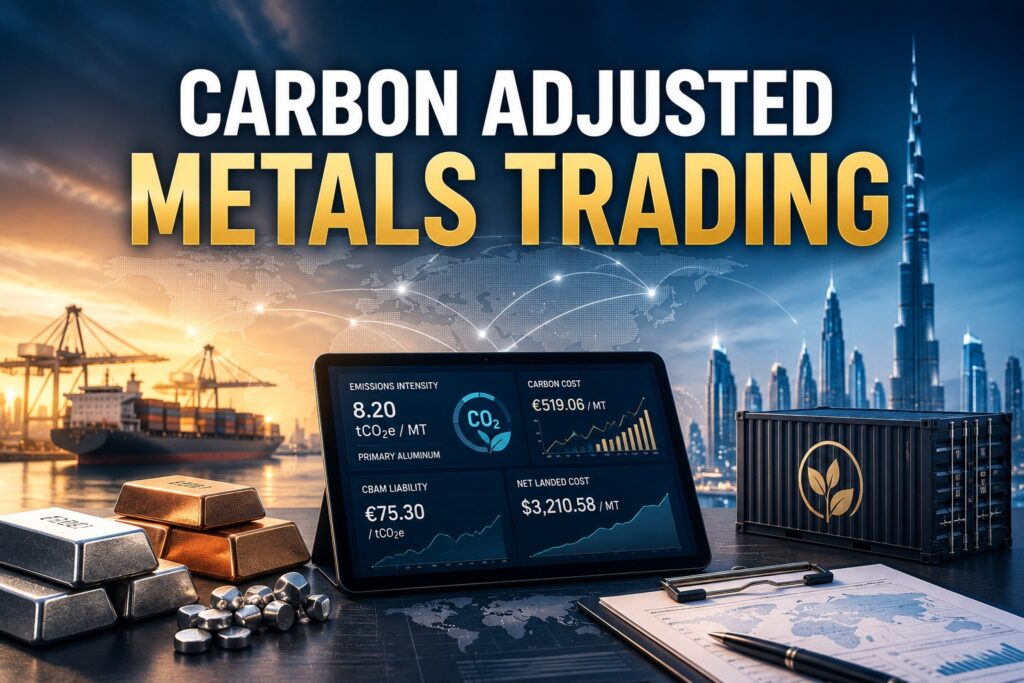
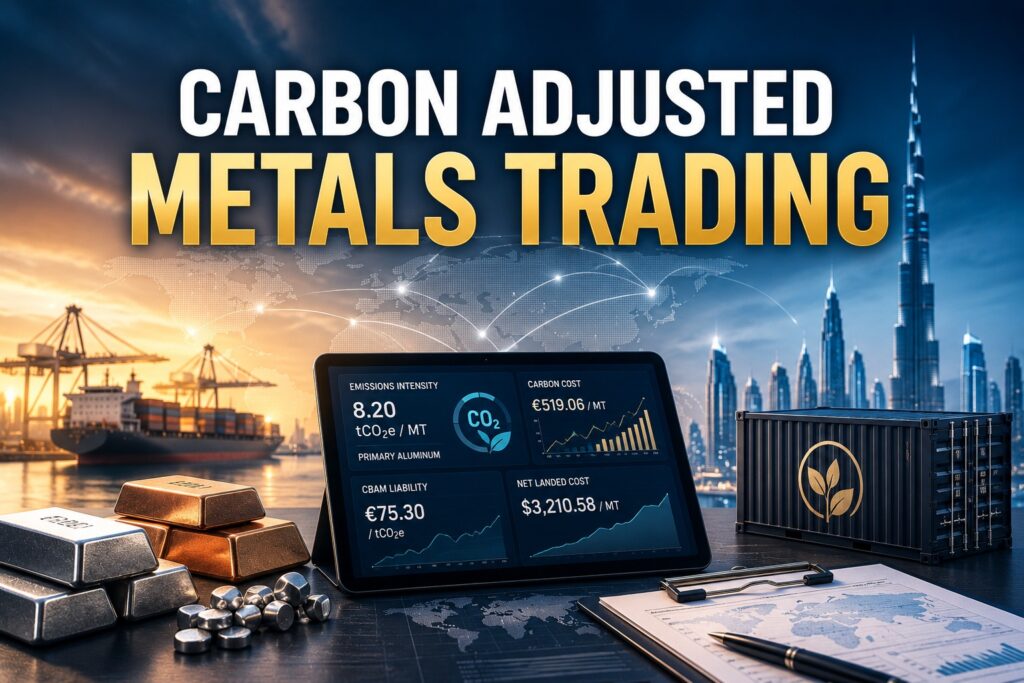
Deploying a dedicated CTRM metals UK platform has become essential for modern commodity trading desks. Physical metal traders now face strict cross-border carbon regulations and volatile price spreads. In addition, manual spreadsheets cannot calculate changing emissions penalties in real time. Therefore, trading houses need automated systems to protect trade margins and settle physical contracts without delays.
Table of Contents
- The Operational Bottlenecks in Metal Trading
- The Risk of Expensive Default Penalties
- Why Modern CTRM Metals UK Platforms Are Essential
- Streamlining Workflows with Dedicated CTRM Metals UK Tools
- Step-by-Step Landed Cost and CBAM Calculation
- Comparing Specialized CTRM Systems with Standard ERPs
- Cross-Border Compliance for Global Trade Desks
- Statutory Guidelines and Official Compliance Links
- Frequently Asked Questions About CTRM Metals UK
- Next Steps for Trading Desks
The Operational Bottlenecks in Metal Trading
Physical metal trading involves strict purity standards and fast price movements. However, traditional spreadsheets fail when tracking physical lots across multiple warehouses.
- First, emissions factors link directly to specific smelters and heat batches.
- Second, splitting bulk shipments across bonded warehouses creates data gaps.
- As a result, operations teams struggle to report accurate emissions to customs authorities.
The Risk of Expensive Default Penalties
Customs authorities apply heavy default penalties when verified smelter data is missing. For example, falling back on standard European default values increases landed costs instantly.
Consequently, a single reporting mistake can erase a trader’s entire profit margin on a 500 MT aluminum deal. Furthermore, manual data entry delays customs clearance at destination ports.
Why Modern CTRM Metals UK Platforms Are Essential
Commodity desks must track live market prices alongside border tax obligations. For this reason, trading firms implement specialized CTRM metals UK software to automate complex calculations.
- Live Market Feeds: The platform links physical contracts directly to London Metal Exchange (LME) price curves.
- Emissions Traceability: It assigns specific carbon values to each warehouse warrant.
- Automated Landed Cost: The software recalculates profit and loss whenever carbon allowance prices change.
Streamlining Workflows with Dedicated CTRM Metals UK Tools
A dedicated CTRM metals UK solution connects physical inventory directly with trade finance ledgers. In addition, it calculates net customs liabilities before shipments leave the loading port. Therefore, risk managers gain clear visibility over open tax liabilities across all active contracts.
Step-by-Step Landed Cost and CBAM Calculation
Modern systems calculate total landed costs using four key variables:
- Base Metal Value: LME cash settlement price plus physical premium.
- Logistics: Ocean freight and cargo insurance.
- Specific Embedded Emissions: Total tons of CO2 equivalent per ton of metal.
- Net Tax Rate: The border tax price minus carbon taxes already paid in the country of origin.
As a result, the trading system generates accurate trade tickets instantly.
Comparing Specialized CTRM Systems with Standard ERPs
Standard corporate ERPs treat metals as static finished products. In contrast, specialized commodity platforms handle dynamic commodity market variables:
| Operational Capability | Standard ERP (e.g., SAP, NetSuite) | Specialized CTRM Platform (Robosoft) |
| Pricing Quotational Periods | Uses fixed unit costs with manual adjustments. | Integrates live LME curves with automatic recalculation. |
| Assay Adjustments | Lacks split assay deduction matrices. | Applies automatic deductions for moisture and purity loss. |
| Emissions Factor Tracking | Uses broad company-wide averages. | Tracks specific emissions per warehouse warrant. |
| Carbon Dual-Pricing | Manages a single currency ledger. | Tracks base metal prices and carbon certificate curves. |
| Microsoft D365 Setup | Requires custom middleware integration. | Operates directly on native Business Central tables. |
Cross-Border Compliance for Global Trade Desks
International metal flows require compliance with multiple jurisdictions:
- United Kingdom: Desks managing LME inventories need specialized CTRM metals UK platforms to track HMRC tax filings.
- United Arab Emirates (Dubai): Trading houses in the DMCC use automated documentation for aluminum exports.
- Singapore: Physical desks track bonded warehouse warrants and transit blending in Jurong.
- India: Exporters align domestic MCX hedges with international export declarations.
Statutory Guidelines and Official Compliance Links
Physical metal trading desks must follow strict legal standards established by tax authorities.
In the UK, importers must comply with rules set in the official UK Government CBAM Policy Summary.
Similarly, European shipments must follow European Commission Regulation (EU) 2023/956.
Frequently Asked Questions About CTRM Metals UK
CBAM requires authorized declarants importing covered metals (such as iron, steel, and aluminium) into Europe to surrender carbon certificates corresponding to the embedded production emissions. If traders cannot prove low emissions through verified installation data, they are taxed using punitive default values that can exceed standard trading margins.
No. Traditional ERP systems are built for static inventory and retrospective accounting. They lack real-time market data feeds to track fluctuating carbon certificate prices against LME quotational periods and cannot dynamically adjust landed contract values.
Robosoft assigns specific emissions intensity factors to individual warehouse warrant numbers and lot IDs. When a 10,000 MT bulk cargo is split into smaller containerized lots across different discharge ports, the software carries the proportional carbon liability forward to each trade sub-ticket.
Trade tickets must capture the unique production installation ID, verified direct emissions ($\text{tCO}_2\text{e}$ per ton of product), indirect electricity consumption emissions, transport route mileage, and proof of any carbon taxes already paid in the country of origin.
While EU CBAM operates as a certificate surrender system mirroring the EU Emissions Trading System, UK CBAM is implemented as a direct customs tax managed by HMRC. CTRM software must support both compliance methodologies depending on whether goods clear customs in Rotterdam or Liverpool.
Yes. Robosoft links physical metal contracts with corresponding futures hedges on the LME, CME, or MCX while maintaining a parallel risk ledger for carbon offsets and emissions certificate exposure, ensuring a consolidated net portfolio view.
Next Steps for Trading Desks
Managing carbon-adjusted physical metal flows requires purpose-built trade capture, assay adjustment logic, and automated compliance engines.
- Learn more about our specialized Robosoft physical metal CTRM platform to see how Microsoft Dynamics 365 automates metal trade workflows.
- Speak directly with our solution architects by visiting our Robosoft Contact Page to schedule a live product demonstration.