By Neil Thornton, Principal CTRM Solutions Architect at Robosoft
Reviewed by Aakash Verma, Senior Trade Operations Specialist
Deploying modern commodity management software is essential for trading desks modernizing trade finance workflows. Commodity trading firms face delayed cargo releases, heavy paper handling costs, and strict banking rules. In addition, manual documentary checks create expensive cash flow bottlenecks during physical settlements. Therefore, commercial trading houses implement automated systems to manage digital Letters of Credit (LC) and electronic Bills of Lading (eBL). Consequently, physical desks accelerate settlement cycles and protect operating liquidity.
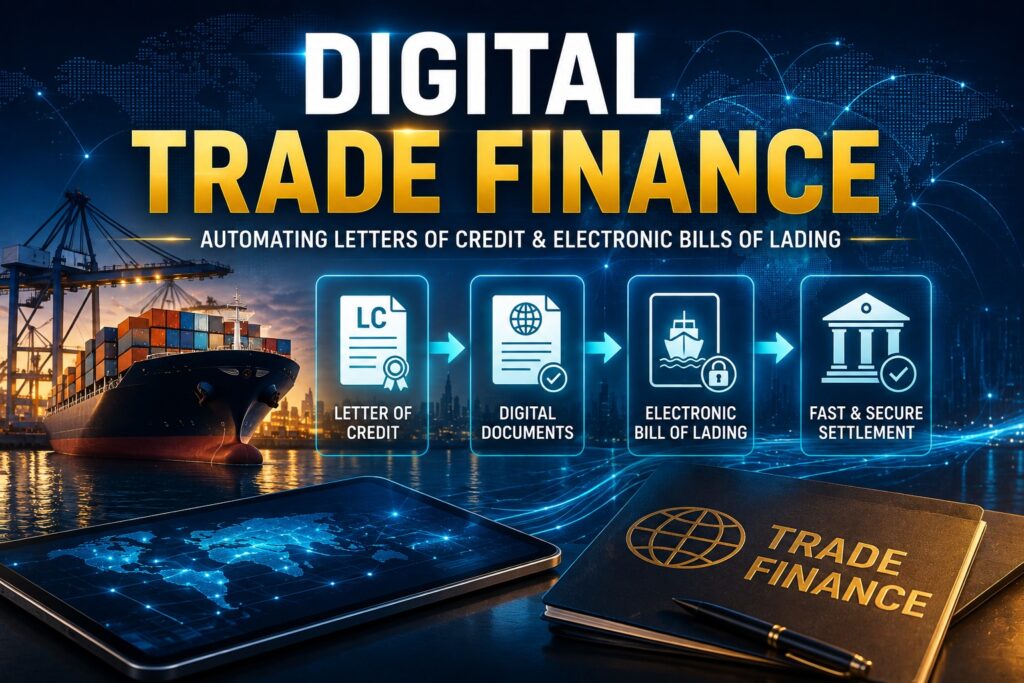
Table of Contents
- The Operational Costs of Paper Trade Finance
- How Digital Bills of Lading Accelerate Settlement
- Why Dedicated Commodity Management Software Is Critical
- Automating Letter of Credit Validation and Bank APIs
- Feature Comparison: Legacy Trade Finance vs. Modern CTRM
- Cross-Border Trade Hubs: Singapore, Dubai, London, and India
- Statutory Directives and Digital Trade Regulations
- Frequently Asked Questions About Commodity Management Software
- Next Steps for Trade Finance Desks
The Operational Costs of Paper Trade Finance
Physical commodity trading relies heavily on documentary trade finance to secure cross-border transactions. However, physical paper documents take days or weeks to travel via international courier services between issuing banks, negotiating banks, and buyers.
Consequently, vessels frequently arrive at discharge ports before original title documents clear banking verification. When operations teams face paper bottlenecks, critical financial losses occur:
- Demurrage Penalties: Discharging cargo under Letters of Indemnity (LOI) exposes charterers to maritime liability and expensive port wait times.
- Discrepancy Rejections: Minor clerical errors on paper invoices trigger expensive bank document amendment fees.
- Working Capital Lockups: Delayed documentary presentations prevent trading houses from drawing on bank trade facilities promptly.
How Digital Bills of Lading Accelerate Settlement
Electronic Bills of Lading replace physical paper title documents with legally recognized digital assets.
First, the carrier creates and transfers the digital title document through a secure, accredited digital platform.
Next, the seller transfers the electronic title to the financing bank within minutes of loading completion.
Finally, the buyer’s bank endorses the digital title directly to the ultimate importer upon payment confirmation. Because the transfer occurs digitally in real time, port agents release physical cargo immediately upon vessel arrival.
+-----------------------------------------------------------------------------------+
|                        PHYSICAL TRADE CONTRACT CAPTURE                            |
|  • Deal: 30,000 MT Milling Wheat FOB Singapore to Middle East                     |
|  • Payment Terms: Irrevocable Documentary Letter of Credit (LC) at Sight          |
+-----------------------------------------------------------------------------------+
                                         |
                                         v
+-----------------------------------------------------------------------------------+
|                     AUTOMATED DIGITAL DOCUMENT COMPILATION                        |
|  • Carrier Issues Electronic Bill of Lading (eBL) via MLETR Network               |
|  • Digital Quality Assay, Commercial Invoice & Packing List Attached              |
|  • Instant Discrepancy Screening via Automated Banking Validation Rules           |
+-----------------------------------------------------------------------------------+
                                         |
                                         v
+-----------------------------------------------------------------------------------+
|               ELECTRONIC SETTLEMENT & REAL-TIME CASH RELEASE                      |
|  • Bank Verifies Clean Presentation | Credit Line Released in Under 24 Hours      |
+-----------------------------------------------------------------------------------+
Why Dedicated Commodity Management Software Is Critical
Commodity trading companies implement dedicated commodity management software to link physical shipping operations directly with banking facilities.
A specialized commodity management software platform streamlines complex trade finance workflows:
- Automated Discrepancy Checks: The system checks commercial invoices, inspection certificates, and bill of lading data against LC terms automatically.
- Digital Title Tracking: It records electronic title ownership and endorsement milestones directly against active contract records.
- Real-Time Credit Monitoring: It tracks bank credit line utilization, collateral pledges, and trust receipt maturities continuously.
Furthermore, integrating dedicated commodity management software reduces trade document processing cycles from two weeks to under twenty-four hours.
Automating Letter of Credit Validation and Bank APIs
Modern trade platforms connect directly with corporate banking systems via secure electronic APIs. For this reason, finance teams manage LC applications without manual data re-entry.
The platform monitors documentary compliance by evaluating critical trade data points:
- Beneficiary and Applicant Records: Verifies counterparty naming against official banking records.
- Latest Shipment Dates: Compares vessel charter laycan dates against letter of credit expiry limits.
- Quantity Tolerances: Tracks bulk cargo overfill and underfill limits within standard plus or minus ten percent allowances.
As a result, operations teams submit clean documentary presentations on the first attempt, preventing delayed payment settlements.
Feature Comparison: Legacy Trade Finance vs. Modern CTRM
Manual trade finance processes cannot match the operational speed of modern commodity management platforms:
| Operational Function | Manual Paper Processes | Specialized CTRM Suite (Robosoft) |
| Document Delivery | Relies on international physical couriers taking 5 to 10 days. | Transfers verified electronic documents in seconds. |
| Documentary Checking | Involves manual visual cross-checks against paper rules. | Automates discrepancy screening against contract terms. |
| Credit Facility Visibility | Updates bank headroom retrospectively in spreadsheets. | Monitors multi-bank credit headroom and limits in real time. |
| Title Endorsement | Requires manual physical signatures and stamps. | Executes digital title endorsements securely. |
| ERP Integration | Operates as an external, disconnected banking process. | Runs natively inside Microsoft Dynamics 365 tables. |
Cross-Border Trade Hubs: Singapore, Dubai, London, and India
International trade finance execution depends heavily on regional legal recognition of digital trade documents:
- Singapore (Global Digital Hub): Singapore is a pioneer in digital trade under the Electronic Transactions Act. Desks in Singapore execute electronic trade presentations directly with major commercial banks.
- United Arab Emirates (Dubai / DMCC): Dubai-based trading houses utilize digital trade finance to manage high-volume energy and metals flows through Gulf ports.
- United Kingdom (London Desks): UK commercial desks operate under the Electronic Trade Documents Act, giving electronic bills of lading identical legal standing to paper documents.
- India (Domestic and Cross-Border): Indian commercial firms bridge domestic banking structures and letters of credit with international export financing.
- Qatar and Middle East Desks: Energy exporters automate long-term contract documentation to accelerate cash realization on high-value cargo shipments.
Statutory Directives and Digital Trade Regulations
Electronic trade documentation must comply with established international legal and documentary standards.
Cross-border digital documents rely on legal frameworks defined by the UNCITRAL Model Law on Electronic Transferable Records (MLETR).
In addition, documentary letters of credit and electronic presentation rules follow global standards governed by the International Chamber of Commerce Uniform Customs and Practice for Documentary Credits.
Frequently Asked Questions About Commodity Management Software
1. What is the role of commodity management software in trade finance?
Commodity management software coordinates trade contracts, automates letter of credit compliance, manages electronic bills of lading, and tracks bank credit facilities.
2. Why is dedicated commodity management software necessary for digital bills of lading?
A specialized commodity management software platform connects digital shipping title networks with back-office accounting ledgers. Therefore, finance teams verify cargo ownership and release payments immediately.
3. How does the system prevent letter of credit discrepancies?
The platform reconciles contract specifications, inspection certificates, and shipping manifests against LC rules automatically. Consequently, operations teams eliminate typographical and date errors before bank presentation.
4. What is the legal status of an electronic bill of lading?
Under statutory frameworks like the UK Electronic Trade Documents Act and Singapore Electronic Transactions Act, electronic bills of lading hold the same legal status as traditional paper documents.
5. How does Robosoft connect with Microsoft Dynamics 365?
Robosoft operates directly on native Microsoft Dynamics 365 data structures. As a result, trade finance commitments, banking fees, and general ledger accounts update simultaneously with zero latency.
6. Can the platform manage multiple trade finance banks?
Yes. The software tracks borrowing bases, letter of credit limits, and interest margins across multiple commercial banking partners in one unified interface.
Next Steps for Trade Finance Desks
Eliminating paper bottlenecks, accelerating cash settlements, and automating trade finance compliance requires a purpose-built commodity management platform.
- Explore our unified Microsoft Dynamics 365 commodity ERP to eliminate disconnected middleware.
- Learn how our specialized energy trading and risk management software coordinates physical trade lifecycles.
- Speak directly with our trade operations specialists through our Robosoft Contact Page to schedule a live product demonstration.